
What is the Galleri test?
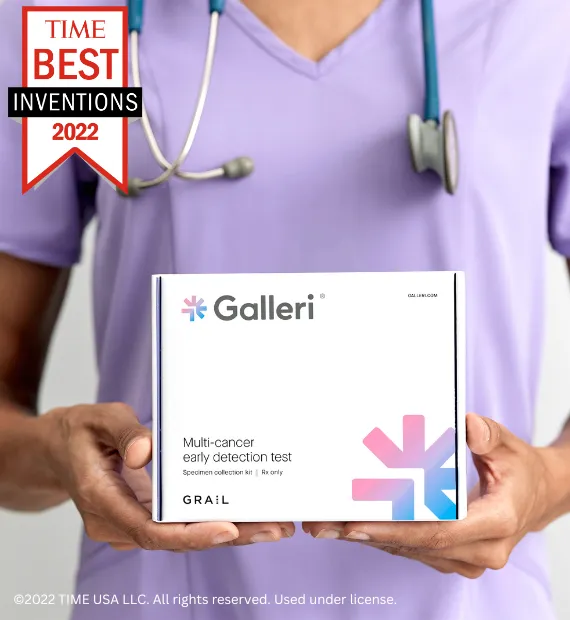
Galleri changes the game in cancer screening. Currently, there are only 5 cancers that have recommended screening tests. By using Galleri alongside these tests, the chances of detecting cancer early improve, allowing for timely treatment.
Galleri utilizes a single blood test to identify signals that are common among various cancers, which might not be detected otherwise. If a cancer signal is found, Galleri can predict the tissue type or organ linked to that signal with 88% accuracy. This information helps direct further diagnostic testing, which may include lab work or imaging to confirm the presence of cancer.
What cancers does Galleri® screen for?
Who is Galleri for?
Early detection is best

4x higher
survival rate*
Detecting cancer at an early stage offers the highest likelihood of effective treatment.
Screening tests aim to detect cancer before any symptoms arise. At present, only five types of cancer—colorectal, lung (for individuals at risk), breast, cervical, and prostate—have recommended screening methods that can catch cancer at an earlier stage. Most other cancers, such as pancreatic and ovarian cancers, do not exhibit early symptoms and are typically identified at a more advanced stage.
Early diagnosis of cancer, before it has the opportunity to spread, significantly improves outcomes; the overall 5-year cancer-specific survival rate is four times greater when cancer is detected early compared to late diagnosis.
Cancer risk increases with age
More than one in three individuals will be diagnosed with cancer during their lifetime.
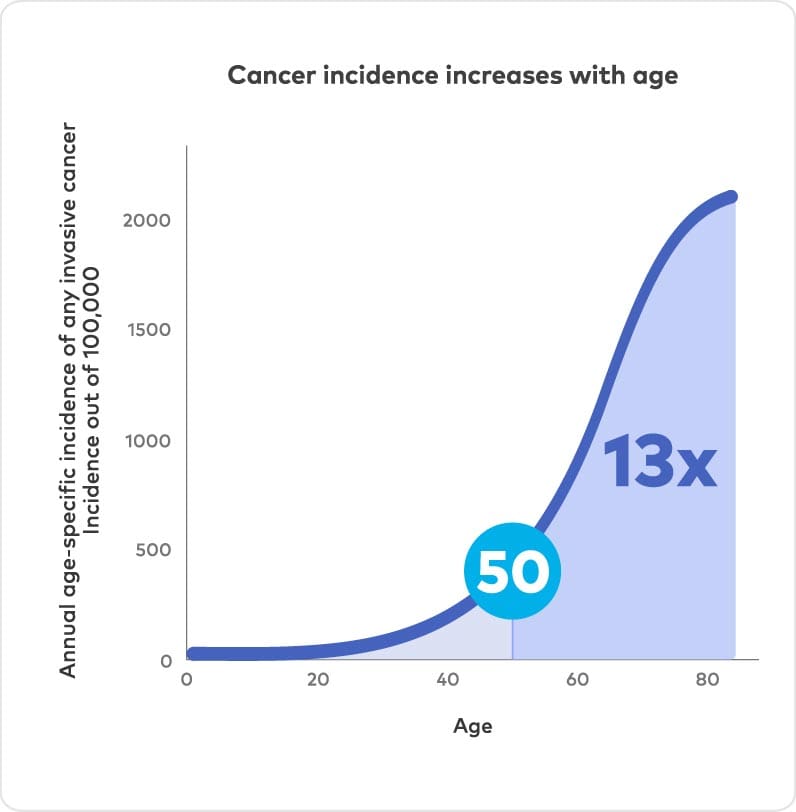
The primary risk factor for cancer is age. The likelihood of developing cancer rises sharply after the age of 50. Specifically, adults over 50 are 13 times more likely to be diagnosed with cancer than those younger than 50.
Cancer risk escalates for everyone as they get older, independent of family history—only 5% to 10% of cancers are passed down through genetics.
Around 70%
Detecting cancer at an early stage offers the highest likelihood of effective treatment.
Many cancers tend to be discovered at advanced stages, when symptoms are noticeable. Diagnosing cancer early significantly increases the likelihood of effective treatment and survival. The sooner you are aware, the quicker you can take action.
Book Your Appointment Today
Schedule a consultation with us today and discover the best version of yourself.